
Poor heat in your radiators? Start by analyzing the water in your heating system
When radiators don't get warm enough, when certain apartments are cold, or when the heating system requires a higher supply temperature than before, it is easy to

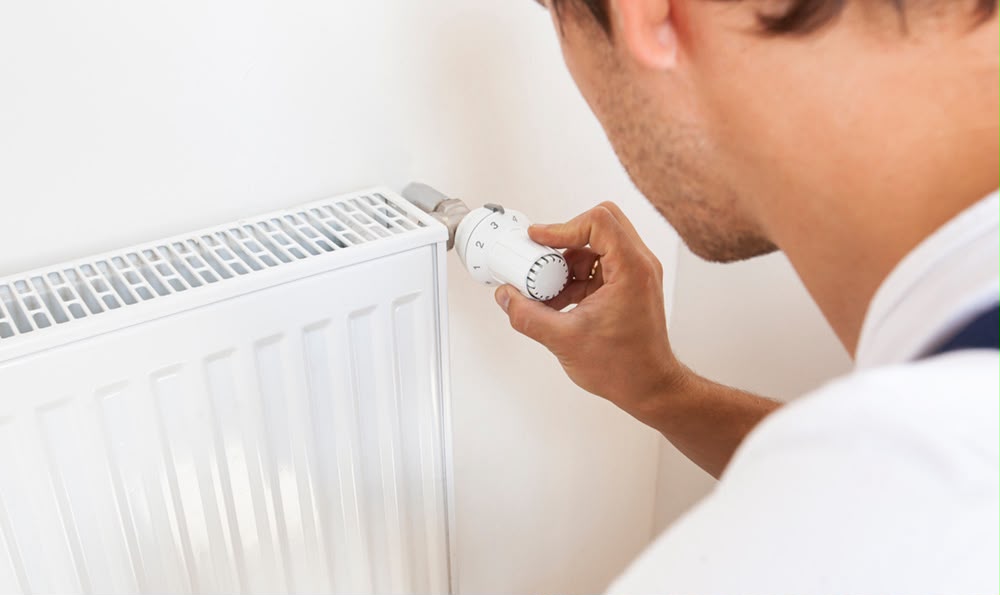
Radiators Not Heating Properly? Start by Testing the Heating System Water
When radiators do not get warm enough, some apartmentsremain cold, or a heating system needs a higher supply temperature than before,it is easy to suspect the circulation pump, heat exchanger or controlequipment.
However, the problem may also be within the water circuititself.
Magnetite, corrosion products, particles, deposits andincorrect flow rates can affect how a hydronic heating system operates. Waterquality and hydraulic performance should therefore be investigated beforedeciding which corrective measures are needed.
1. Why are the radiators not getting warm enough?
A hydronic heating system transfers heat from a heat sourceto radiators or other emitters using circulating water. Efficient operationrequires suitable temperatures, adequate flow and functioning controls.
Common causes of poor heating include:
· Insufficient water flow: The circulation pump,valves or hydraulic balancing may restrict flow.
· Air in the system: Air can interfere withcirculation and cause uneven heat distribution.
· Magnetite and corrosion products: Iron oxidesand other particles may collect in filters, valves and narrow passages.
· Deposits: Mineral or other deposits can affectheat-transfer surfaces.
· Corrosion: Ongoing corrosion can generate newparticles and affect long-term system performance.
· Incorrect controls: Unsuitable settings orfaulty components can result in insufficient heat delivery.
Identifying the actual cause is essential. A cold radiatordoes not automatically mean the system contains magnetite or biofilm. Severaldifferent issues can produce similar symptoms and should be investigatedseparately.
2. Start with a water sample
A water sample can provide useful clues about the conditionof a closed heating circuit. The analysis should be selected according to thesystem materials, operating conditions and maintenance history.
Relevant parameters may include:
· pH: Helps assess whether the water's acidity oralkalinity is suitable for the system materials.
· Conductivity: Indicates the water's ability toconduct electricity and can help identify changes in dissolved ionic content.
· Iron and particles: May indicate that corrosionproducts are being transported in the water.
· Dissolved oxygen: Can be relevant when oxygeningress and corrosion are suspected.
· Hardness and alkalinity: Can help assess therisk of certain mineral deposits.
· Microbiological analysis: May be appropriatewhen there are specific indications of microbial activity or biofilm-relatedproblems.
Sampling must be carried out correctly. For example,exposure to air can affect dissolved-oxygen measurements. The sampling point,temperature, handling and analytical method should therefore be documented.
A single water sample will not always identify the cause.Results should be interpreted alongside the system design, operating data andany previous analyses.
3. Magnetite and particles can affect system performance
Magnetite is an iron oxide that can form through corrosionin components containing iron or steel. In heating systems, it often appears asblack particles or as part of dark sludge.
As particles circulate, they may accumulate in filters,valves, pumps and other components. Depending on their quantity, size andlocation, these deposits can contribute to increased resistance or operatingproblems.
If magnetite returns after cleaning, it is important toinvestigate why new corrosion products are forming. Repeated filling, leaks,oxygen ingress and unsuitable water chemistry may be relevant factors.
A magnetic filter can capture magnetic particles, but itdoes not automatically eliminate the underlying cause of corrosion.
4. Do not overlook hydraulics
Even with acceptable water quality, a heating system canperform poorly if its flow rates are incorrect.
Check:
· Supply and return temperatures.
· Circulation-pump operation and settings.
· Differential pressure and available flow rates.
· Radiator valves and other control components.
· Signs of air, blockages or hydraulic imbalance.
If significant sludge or particles are present, assesswhether cleaning and filtration are needed before balancing the system.Cleaning should not be carried out routinely without a technical reason.
5. How does AEGIR IMPULSE fit into water treatment?
AEGIR IMPULSE from AEGIR Technology is a water-treatmenttechnology that uses controlled electromagnetic impulses and dynamic fieldeffects to influence the water environment. Nanobubbles may form as a secondaryeffect.
The technology can be evaluated in closed heating andcooling circuits where water quality, deposits or microbiological conditionsneed investigation.
It should be considered as part of a technically soundtreatment strategy, not as an automatic replacement for cleaning, filtration,hydraulic balancing or necessary corrosion protection.
A structured evaluation may include:
1. Water sampling and documentation of relevantoperating values before installation.
2. Checking flow rates, temperatures, filters andexisting corrosion issues.
3. Assessing the need for cleaning and particleremoval.
4. Installation and operation according to a plantailored to the system.
5. Follow-up measurements compared with thebaseline.
If AEGIR IMPULSE is combined with particle or magnetitefilters, filtration should be sized for system flow and expected particleloading. Filter pressure drop and captured material should be monitored duringoperation.
Any effects on corrosion, deposits, biofilm or energy useshould be verified with relevant measurements. Results may vary betweeninstallations.
6. Can better water quality reduce energy use?
In some systems, improved water quality and corrected flowproblems can contribute to better operation. Particles that restrict flow ordeposits that affect heat transfer may reduce system performance.
However, energy use is also affected by building insulation,ventilation, the heat source, control curves, outdoor temperature and indoorconditions.
To assess potential energy savings, compare relevantoperating data before and after an intervention while accounting for changes inweather and heating demand. A water analysis alone does not prove that energyuse will decrease.
7. Conclusion: investigate the system before choosing a treatment
Poor radiator heating can have several causes. Magnetite,corrosion, deposits, air and hydraulic problems do not necessarily require thesame treatment.
Start by analysing water quality, checking flows andtemperatures, and assessing whether cleaning or filtration is needed. Thenselect a treatment strategy that fits the installation.
AEGIR IMPULSE may be worth evaluating when water treatmentis part of the solution. Documented baseline values and systematic follow-upmake it possible to assess whether the measures deliver a measurableimprovement.
Want to understandwhat is happening in your heating system?
Learn more about AEGIRIMPULSE and how Impulsetechnology works
Contact AEGIR Technology to discuss water quality, operatingissues and how a technical evaluation can be planned.